
Celebrating 200+ Years of Methodism in Gettysburg!
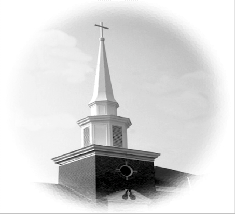
For 200 years the Methodist Church has been a real part of the life of the community of Gettysburg. It has been a source of pride and satisfaction to those who have been known as Methodists.
One year before the organization of Methodism in America in 1784, the first Methodist pastors visited Gettysburg and the Adams County area. Although Francis Asbury and Freeborn Garrettson were among the pastors, the actual organization of Methodists in Gettysburg did not take place until 1815, when the first class was formed with a few devoted members led by Hezekiah Van Orsdel, who lived in Hunterstown.
For a number of years prayer and class meetings were held in a little white house on Baltimore Street—at the time the residence of John Cogley -
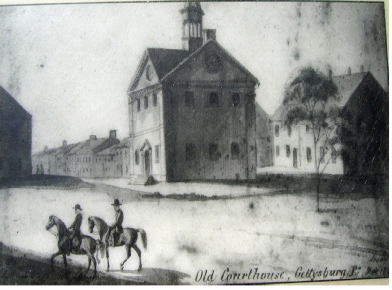
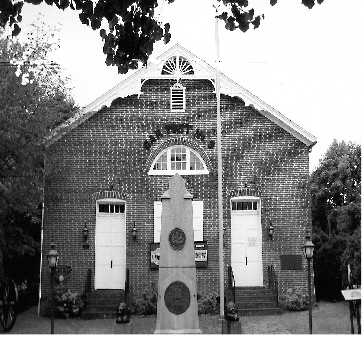
The first church was the building at 53 East Middle Street, now owned by Historic Gettysburg Adams County, Inc. It was built in 1822 at a cost of nearly $2,000.00. It was the second Methodist Church built in Adams County, the first being Rock Chapel. The building also has a small cemetery in which the remains of a few of the early Methodist pioneers are at rest.
In 1827 the Gettysburg circuit was formed with two preachers in charge. These pastors with the help of 19 or more lay members covered on horseback the miles between 25 or 30 groups of Methodists in Adams and adjacent counties. These groups included Pine Grove, Dillsburg, Littlestown, Maria Furnace, Emmetsburg, Toms Creek, and Hanover. Gettysburg continued as a circuit until 1876 when it was made a station.
No history would be complete without a mention of the effect on the church during the Civil War battle here in Gettysburg. Our church members lives were directly and indirectly impacted. Stories of compassion such as exhibited by young Sally Myers and Tillie Pierce are told each year as part of the summer church walking tours along with the "Hero of Gettysburg" recollections of John Burns. Indirectly our town of 2,000 individuals spent most of their days for many months helping take care of the some 20,000 wounded and dead soldiers, horses, mules and weapons left as a result. One three-
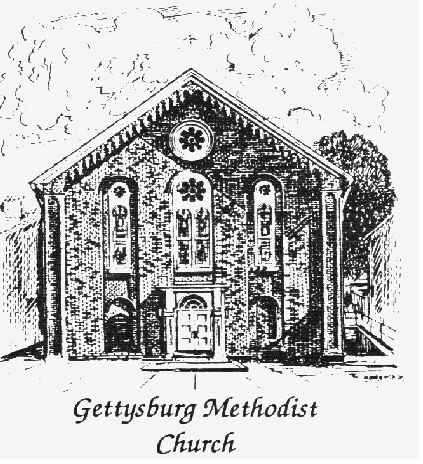
The second Gettysburg Methodist Church building was also on East Middle Street across from the original building. It was begun in 1871 and finished at a cost of $12,500 in February 1874. Much of the funding for the church was raised from collections taken at over 1,000 talks by Pastor Jesse Bowman Young. Pastor Young presented a lecture "Echoes from Round Top: The Story of the Great Battle." Pastor Young had served in the 84th Pennsylvania Volunteer Infantry as a lieutenant during the battle. He had interrupted his divinity education to serve, and after the war retuned to graduate. This second Methodist church remained an active center for worship and ministry until January 1968, when it was destroyed by fire.
In a similar way, the Memorial Evangelical United Brethren Church was establishing itself in Gettysburg. After some years of planning and hoping for a United Brethren Church in Gettysburg, the Rev. Dr. I. H. Albright, Presiding Elder, made this report to the Pennsylvania Conference meeting in Mechanicsburg in 1891: “A few brethren purchased a valuable church property in Gettysburg for $2000 on their own, with the hope that the Annual Conference could make arrangements at this session to make it a nucleus of a new charge. A Board of Trustees was elected to receive the proper transfer of the property on behalf of the church in case the conference sees fit to operate it.”
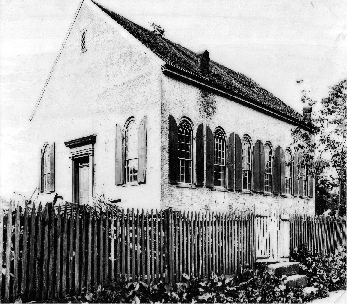 The property was the former Presbyterian Church located on West High Street. The 45 x 55-
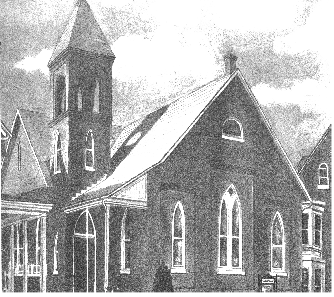
The two congregations for 75 years befriended each other from time to time, but little did they know of their ultimate union. During a winter night in January 1968, the second Methodist Church was set to the torch by an arsonist. In love and friendship, Memorial E.U.B. Church invited the Gettysburg Methodist Church to worship with them in their building on West High Street. The two congregations came together in Christian fellowship just as the national denominations were united to form the United Methodist Church. They became one community of faith – the Gettysburg United Methodist Church – in April 1968.
The newly united congregation worshipped in the sanctuary of Memorial Church, and church school classes met in the educational unit, Fellowship Hall, and in the church house adjacent to the church building. Donald S. Burkhart was the pastor for one year, and in 1969 James I. Melhorn became the minister serving until 1971.
Soon after William H. Barr began his pastorate in June 1971, serious consideration was given to constructing a new church building. Near the end of the year, a Building Committee was formed to begin the long task of formulating plans. The sanctuary of the Memorial E.U.B. church and the adjacent house were removed to make way for new construction. The educational unit and Fellowship Hall were retained. The cornerstone of the present church was laid after the 10:00 a.m. service on Sunday, December 16, 1973, with consecration services taking place on June 9, 10, 11, 12, and 16, 1974. The cost of the new church was $455,372.
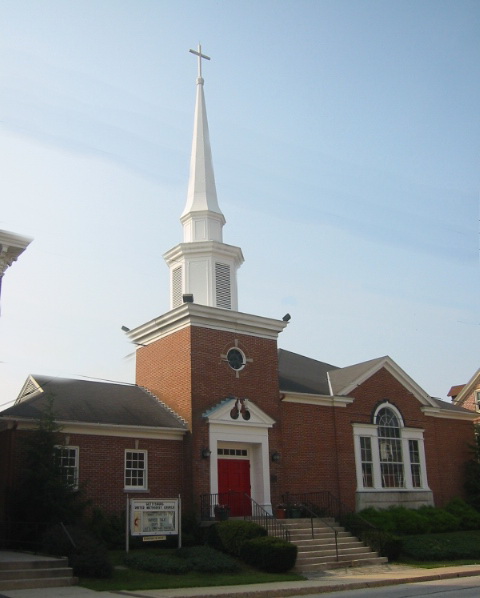
Since the completion of the current building in 1974, the congregation has focused on mission and ministry within the community. In 2005 the church council realized that our future needed to be revitalized. All members were invited to participate in a weekend event for discussion and prayer. The outcome of the event was the identification of 8 Congregational goals that would focus our energy and resources.
- Ongoing Commitment to Being a Vital and "Growing" Congregation
- Diverse Worship Services
- Music Ministry
- Full-
time Youth Minister for Members K- 12 - Members Involved in Mission Work, in our Community and Beyond
- Interacting More with Other Religious Groups in the Community and Beyond
- Volunteers Willingly Giving of their Time and Energy
- New or Remodeled, Full Accessible Facilities that Meet our Ministry Needs
In 2013 an Invitation to Ministry "Our Time Our Turn" was brought before the membership to seek donations and pledges for over $1,000,000 in projects to improve our facilities. The goal was revised somewhat to a capital campaign of nearly half that amount by deferring some activities to the future. Left in place was the need for improved accessibility (including a ramp and an elevator), heating and air conditioning, windows and doors, and ministry rooms. Improvements to the Sanctuary in comfort, appearance and lighting were included.
In 2014, a rededication of most of the building was conducted. The completed project will be consecrated during our bicentennial celebration in November 2015.
The 200-